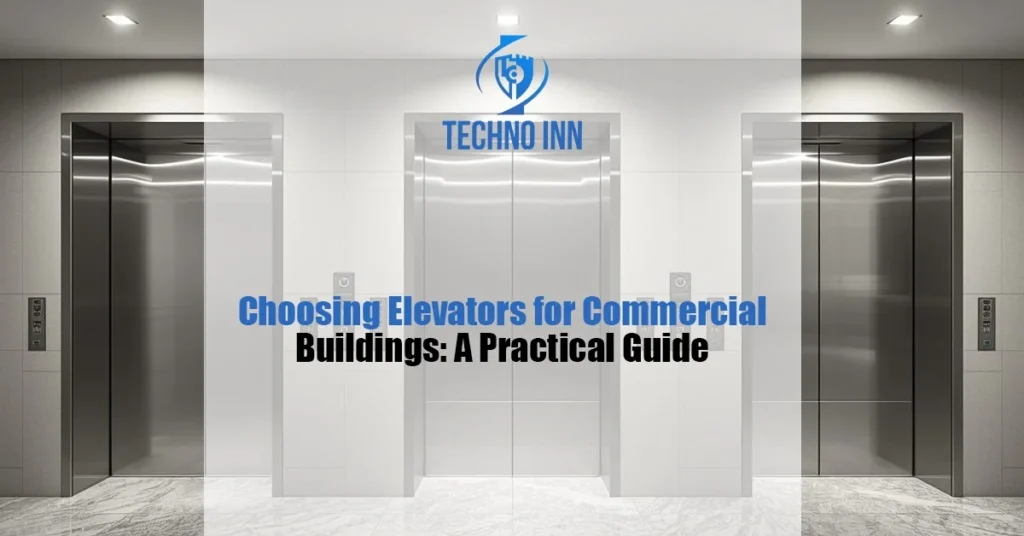
Have you ever stepped into a commercial building and wondered what makes an elevator feel smooth, fast, and safe, while others seem slow or unreliable? Selecting the right elevators for commercial buildings is more than just picking a lift; it’s a decision that affects safety, efficiency, visitor experience, and long-term cost. Whether you’re constructing a new building or upgrading an existing one, understanding the right elevator system is crucial for performance and safety.
In Pakistan’s growing real estate and commercial sector, choosing the right elevator ensures your building stays future-ready, accessible, and compliant with modern safety standards. This practical guide will walk you through everything you need to know before making your decision.
Why Elevators Matter in Commercial Buildings
Elevators are not just convenience tools, they’re an essential part of a building’s infrastructure. A well-chosen elevator improves:
- Accessibility for employees and visitors
- Operational efficiency
- Safety and emergency reliability
- Traffic flow during peak hours
- Property value and tenant satisfaction
For commercial buildings such as malls, offices, hospitals, hotels, and corporate towers, elevators are used continuously throughout the day. That’s why choosing the right system is critical.
Types of Elevators for Commercial Buildings
Understanding the primary elevator types helps you determine which one fits your building’s needs.
1. Traction Elevators
These use ropes and counterweights to move the cabin.
Best For:
- High-rise buildings
- Corporate towers
- Malls
Advantages:
- Faster travel
- Smooth operation
- Energy-efficient when using regenerative drives
2. Machine Room-Less (MRL) Elevators
A modern version of traction elevators without a separate machine room.
Best For:
- Mid-rise commercial buildings
- Offices and plaza buildings
Advantages:
- Saves space
- Lower installation cost
- Reduced maintenance
3. Hydraulic Elevators
These operate using fluid pressure to move the cabin.
Best For:
- Low-rise commercial buildings
- Hospitals and clinics (due to smooth operation)
Advantages:
- Lower initial cost
- Simple design
- Quiet movement
4. Freight Elevators
Designed for transporting goods instead of people.
Best For:
- Warehouses
- Supermarkets
- Industrial buildings
Advantages:
- Heavy load capacity
- Durable and long-lasting
Key Factors to Consider Before Choosing an Elevator
Selecting elevators for commercial buildings requires thoughtful evaluation. Here are the top factors to consider:
1. Building Height
High-rise towers need traction or MRL elevators due to their speed and efficiency.
Low-rise structures can use hydraulic elevators to save cost.
2. Expected Traffic
The number of people using the elevator daily determines whether you need a single cabin or multiple lifts.
3. Load Capacity
Commercial buildings require elevators that can handle heavier loads, especially malls, hospitals, and office towers.
4. Speed Requirements
Speed impacts user experience and traffic flow, especially during peak hours.
5. Safety Standards
Always ensure the elevator meets:
- Fire safety codes
- Emergency alarm systems
- Backup power capabilities
- Overload protection
6. Maintenance & After-Sales Support
An elevator is a long-term investment. Make sure the selected brand offers:
- Affordable maintenance
- Readily available spare parts
- Local technician support
7. Energy Efficiency
Modern elevators come with regenerative drives and energy-saving systems, reducing electricity bills, an important factor for commercial operations in Pakistan.
Design & Aesthetic Considerations
Elevators play a major role in creating a professional impression within commercial spaces. Consider:
- Cabin design and finishing
- Lighting (LED preferred)
- Flooring material
- Display panels and control buttons
- Branding options for corporate environments
A visually appealing and well-lit elevator enhances user confidence and building aesthetics.
Why Choosing the Right Elevator Matters in Pakistan
Pakistan’s commercial infrastructure is growing rapidly, and with rising demand, safety and performance standards are becoming more important.
Here’s why choosing wisely matters:
- Power fluctuations require elevators with strong backup systems
- Heavy footfall in malls and offices demands high load capacity
- Rising buildings in Lahore, Karachi, and Islamabad need faster traction elevators
- Compliance with international safety codes is becoming essential for commercial licensing
Selecting high-quality elevators ensures long-term reliability and avoids costly repairs down the line.
Conclusion
Choosing the right elevators for commercial buildings is a decision that directly affects safety, efficiency, and user experience. By evaluating building height, traffic volume, speed needs, load capacity, and safety standards, you can select an elevator system that delivers long-term performance. Whether your project is a mall, office tower, hospital, or corporate complex, investing in the right elevator ensures convenience and reliability for years to come.
FAQs
1. Which elevator type is best for high-rise commercial buildings?
Traction and MRL elevators are ideal due to their speed and efficiency.
2. Are hydraulic elevators good for commercial use?
Yes, especially for low-rise buildings and medical facilities where smooth movement is important.
3. How often should commercial building elevators be serviced?
Typically every 30–60 days, depending on usage and manufacturer guidelines.
4. What is the average lifespan of a commercial elevator?
Most commercial elevators last 20–25 years with proper maintenance.
5. Do elevators consume a lot of electricity?
Modern elevators are energy-efficient, especially those with regenerative drives and LED lighting.
Call to Action – Techno Inn
Looking for reliable, modern, and safe elevator solutions for commercial buildings in Pakistan?
Techno Inn offers high-quality elevator systems, expert installation, and long-term maintenance you can trust.