Are inefficiencies at your loading dock slowing down operations and increasing costly downtime? If so, you’re not alone. Many businesses across Pakistan, particularly in logistics, warehousing, and manufacturing, face delays due to outdated or poorly managed loading systems. These inefficiencies not only reduce productivity but also increase operational costs and safety risks. One of the most effective ways to overcome these challenges is by installing dock levelers.
In this guide, we’ll explain how dock levelers enhance loading dock efficiency, minimize downtime, improve safety, and help businesses maintain smooth, reliable and cost-effective operations in today’s competitive industrial environment.
What Are Dock Levelers?
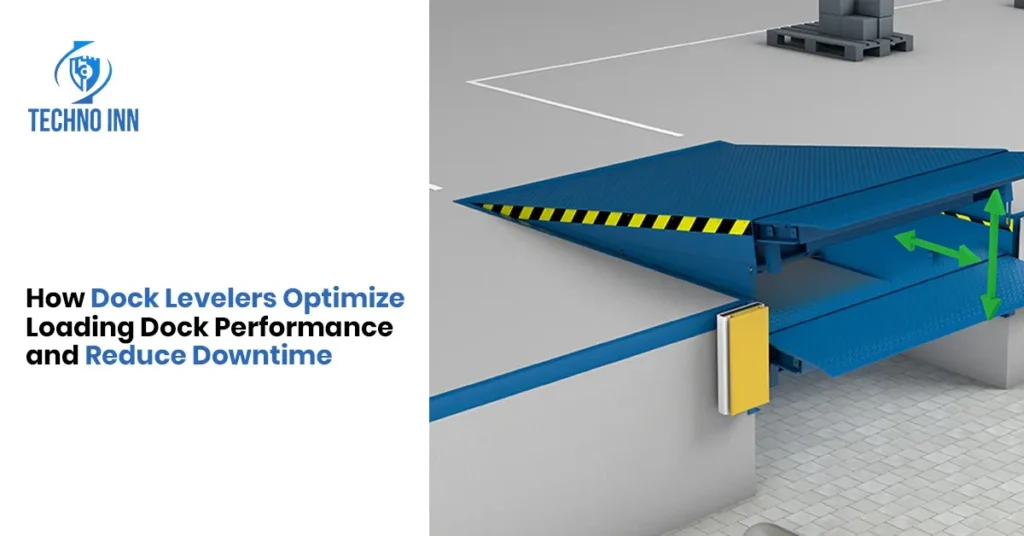
Dock levelers are mechanical or hydraulic platforms installed at loading docks. Their main function is to bridge the gap between a warehouse floor and a truck bed, ensuring smooth and safe movement of goods.
Without a dock leveler, workers often face uneven surfaces, which can lead to:
- Slower loading/unloading
- Increased risk of accidents
- Damage to goods and equipment
Why Loading Dock Performance Matters
A loading dock is the heart of any supply chain operation. Whether you’re managing a warehouse in Lahore or a distribution center in Karachi, every minute of delay directly impacts costs and customer satisfaction.
Poor dock performance can result in:
- Delivery delays
- Increased labor costs
- Equipment wear and tear
- Safety hazards
This is where dock levelers play a crucial role.
How Dock Levelers Optimize Loading Dock Performance
1. Ensuring Seamless Loading and Unloading
Dock levelers create a smooth transition between truck and dock, allowing forklifts and pallet jacks to move efficiently.
Benefits:
- Faster turnaround times
- Reduced manual handling
- Improved workflow efficiency
This is especially important in high-volume industries like FMCG and e-commerce in Pakistan.
2. Reducing Equipment and Product Damage
Uneven loading surfaces can cause forklifts to tilt or lose balance, leading to product damage.
Dock levelers:
- Stabilize movement
- Prevent sudden drops or bumps
- Protect goods during transit
This helps businesses save costs on damaged inventory and maintain product quality.
3. Minimizing Downtime
Downtime at loading docks often occurs due to:
- Misaligned trucks
- Unsafe working conditions
- Manual adjustments
Result:
- Continuous operations
- Faster truck turnaround
- Reduced waiting times
4. Improving Worker Safety
Safety is a major concern in industrial environments. Dock levelers reduce risks by providing a stable working platform.
Key safety advantages:
- Anti-slip surfaces
- Controlled movement
- Reduced risk of falls and injuries
A safer workplace also means fewer disruptions and higher employee productivity.
5. Enhancing Operational Efficiency
Modern dock levelers are designed for high performance and durability. With proper installation, businesses can handle more shipments in less time.
Efficiency gains include:
- Streamlined logistics processes
- Better time management
- Increased throughput
For warehouses in Pakistan dealing with peak seasons, this can be a game-changer.
Types of Dock Levelers Commonly Used
Choosing the right type is essential for maximizing performance.
1. Hydraulic Dock Levelers
- Fully automated
- Ideal for heavy-duty operations
- Minimal manual effort
2. Mechanical Dock Levelers
- Cost-effective
- Requires manual operation
- Suitable for smaller facilities
3. Air-Powered Dock Levelers
- Uses air pressure
- Low maintenance
- Energy-efficient option
Key Considerations Before Installing Dock Levelers
Before investing in dock levelers, businesses should evaluate:
- Load capacity requirements
- Frequency of use
- Type of vehicles served
- Maintenance needs
Partnering with a reliable provider ensures proper installation and long-term performance.
Conclusion
Dock levelers are more than just equipment, they are a strategic investment in efficiency, safety and productivity. By ensuring smooth loading operations, reducing downtime, and protecting both workers and goods, they significantly enhance overall loading dock performance.
For businesses in Pakistan aiming to stay competitive, upgrading to modern dock levelers is a smart move.
FAQs
1. What is the main purpose of a dock leveler?
It bridges the gap between the dock and truck to enable smooth loading and unloading.
2. Are hydraulic dock levelers better than mechanical ones?
Yes, they offer automation, higher efficiency, and reduced manual effort.
3. Do dock levelers improve safety?
Absolutely. They provide a stable platform, reducing accidents and injuries.
4. How do dock levelers reduce downtime?
They adjust quickly to truck heights, eliminating delays during loading operations.
5. Are dock levelers suitable for small warehouses?
Yes, mechanical dock levelers are a cost-effective option for smaller setups.
Call to Action
Looking to upgrade your loading dock efficiency? Explore high-quality dock leveler solutions at Techno-Inn and take your operations to the next level today.