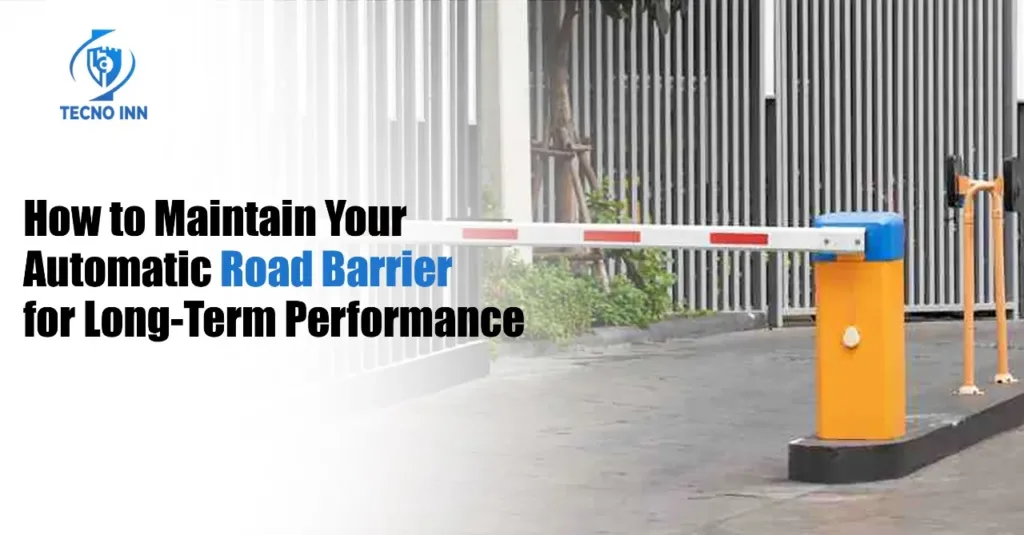
An automatic road barrier is one of the most reliable tools for managing vehicle entry and exit. Whether it’s in a parking lot, office building, toll plaza, or gated community, it helps control traffic, boost security, and prevent unauthorized access.
However, like any mechanical system, it needs regular care and maintenance. Ignoring small issues like loose parts, sensor errors, or electrical faults can lead to expensive repairs or even system failure.
In this guide, you’ll learn how to maintain your automatic road barrier step by step, so it performs smoothly, safely, and efficiently for years.
Why Regular Maintenance Is Important
Your road barrier works constantly, lifting, lowering, and managing access hundreds of times a day. Without maintenance, wear and tear can cause:
- Slow operation or noisy movement
- Unexpected breakdowns
- Safety risks for vehicles or pedestrians
- Shorter equipment lifespan
Regular maintenance prevents these problems, keeps your system reliable, and saves you money in the long run.
Practical Maintenance Tips for Automatic Road Barriers
1. Inspect Moving Parts Frequently
Check the barrier arm, hinges, and springs at least once a month. Look for cracks, rust, or loose bolts. For busy sites, inspect every two weeks.
Clean moving parts and make sure they move freely without friction or misalignment.
2. Lubricate the Mechanism
Lubrication keeps parts moving smoothly and prevents metal wear. Apply a light lubricant to hinges, gears, and pulleys, not too much, or it may attract dust.
A well-lubricated system ensures quiet operation and reduces pressure on the motor.
3. Check the Motor and Control Unit
Listen for unusual noises or vibration, they often signal worn-out components. Inspect cables and connections for any corrosion or loose fittings.
Use a voltage stabilizer to protect the motor and control system from sudden power surges, which are common in Pakistan.
4. Clean Sensors and Safety Devices
Most automatic barriers include photo sensors or loop detectors that detect vehicles and prevent accidents. Dust, dirt, or rain can block these sensors, causing the arm to malfunction. Wipe sensors gently with a soft, dry cloth and keep them aligned for accurate detection.
5. Test Manual Release and Emergency Controls
In case of power failure, barriers can be operated manually. Check the manual release lever every few months to make sure it works properly. If your site has multiple staff members, train them on how to safely operate it during emergencies.
6. Protect the System from Weather
Pakistan’s weather, from intense heat to monsoon rains, can affect outdoor systems. Protect your barrier by:
- Applying anti-rust paint or a protective coating
- Covering the control box with a weatherproof housing
- Ensuring proper drainage near the base
This prevents rust and water damage, keeping the barrier in good condition year-round.
7. Schedule Professional Maintenance
Even with regular cleaning, some tasks require professional inspection. A trained technician can:
- Check internal circuits and connections
- Test motor performance and alignment
- Update software or calibrate sensors
It’s best to schedule a professional service every 6–12 months depending on usage.
When to Call for Immediate Repair
Don’t wait for a complete breakdown. Contact a technician if you notice:
- Slower arm movement than usual
- Grinding or clicking noises
- Incomplete lifting or closing
- Sensor not detecting vehicles
- Error lights on the control panel
Early repair prevents major issues and extends your system’s life.
Long-Term Benefits of Regular Maintenance
Keeping your automatic road barrier well-maintained has long-lasting advantages:
- Longer lifespan of the barrier and motor
- Lower repair costs and minimal downtime
- Smooth and quiet performance
- Better safety for vehicles and pedestrians
- Improved energy efficiency
Routine maintenance ensures your barrier system stays dependable, no matter how busy your entry points get.
Simple Maintenance Schedule
Here’s a quick checklist you can follow:
| Task | Frequency | Purpose |
| Clean sensors & housing | Weekly | Prevent false signals |
| Check bolts & moving parts | Monthly | Avoid loosening or damage |
| Lubricate mechanism | Every 2 months | Reduce friction |
| Inspect motor & wiring | Every 6 months | Prevent faults |
| Professional servicing | Annually | Full safety & performance check |
A simple schedule like this keeps your system in great shape all year.
Conclusion
An automatic road barrier is a smart investment in safety and traffic control, but only if it’s maintained properly. With routine checks, cleaning, and professional servicing, you can prevent breakdowns, ensure smooth operation, and extend the life of your system.
In short, a few minutes of care each month can save you hours of repair time and thousands in future costs.
FAQs
- How often should I service my road barrier?
Every 6–12 months, depending on daily use and environmental conditions. - What causes slow barrier movement?
Dust buildup, low lubrication, or worn motor parts. - Can I clean the sensors myself?
Yes. Use a soft, dry cloth and avoid water or harsh chemicals. - Are barriers weatherproof?
Most are built for outdoor use, but extra coating or housing improves durability. - What should I do if my barrier stops suddenly?
Check the power source and use the manual release. If it still doesn’t work, call a technician.
Want your automatic road barrier to last longer and perform better?
Visit technoinn.net to explore durable, low-maintenance barrier systems designed for Pakistan’s climate and security needs