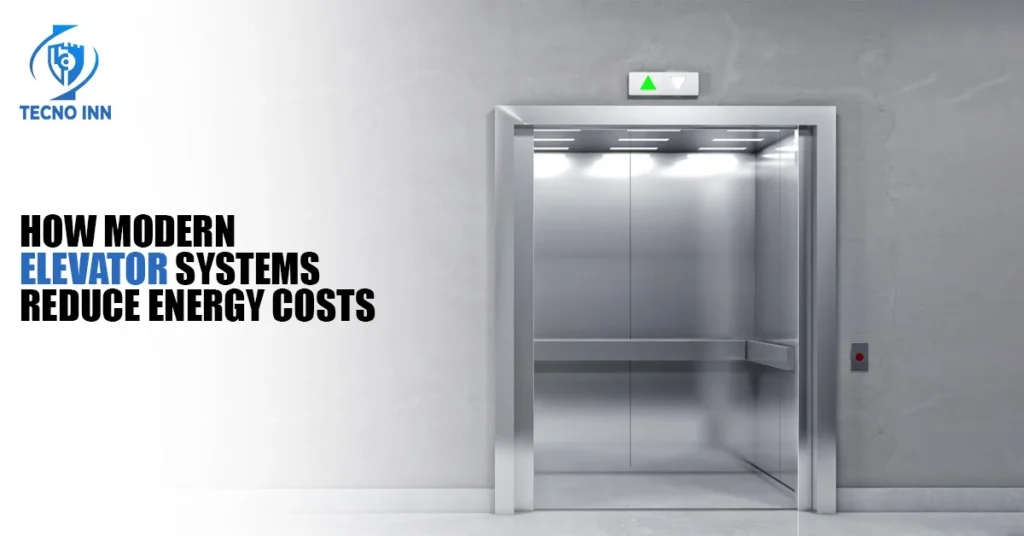
Have you ever wondered why some buildings have noticeably lower electricity bills even though their elevators run all day? The answer lies in modern elevator systems, designed with advanced technology that significantly reduces energy consumption. As commercial and residential buildings continue to rise across Pakistan, energy efficiency has become a major priority, especially with increasing electricity costs and rising operational expenses. Understanding how modern elevator systems reduce energy costs can help building owners make smarter, long-term decisions.
In this blog, we’ll explore the key features, technologies, and design improvements that make today’s elevators far more energy-efficient than older models.
Why Energy Efficiency Matters in Elevator Systems
Elevators are one of the most frequently used electrical components in multi-story buildings. In commercial towers, malls, hospitals, and apartment complexes, they operate almost nonstop. Traditional elevators consume a large amount of electricity, but newer systems dramatically cut energy usage through smarter engineering and updated technology.
Here’s why energy efficiency matters:
- Lower monthly electricity bills
- Reduced maintenance costs
- Improved building sustainability
- Better performance during load shedding
- Increased property value and tenant satisfaction
For Pakistan’s growing commercial infrastructure, these savings add up quickly.
How Modern Elevator Systems Reduce Energy Costs
Modern elevators are designed with smart energy-saving technologies that help buildings operate efficiently. Let’s break down the most important features.
1. Regenerative Drives
One of the biggest advancements in elevator technology is the use of regenerative drives.
These systems capture excess energy produced during braking and movement, converting it into reusable electricity.
How it saves energy:
- Sends power back to the building’s grid
- Reduces wasted heat
- Lowers overall electricity usage
Buildings with regenerative drives often see energy reductions of 25–45%, making them ideal for commercial properties.
2. Machine Room-Less (MRL) Technology
MRL elevators remove the need for a separate machine room, reducing both construction and operational expenses.
Energy-saving benefits include:
- Smaller, efficient motors
- Less heat generation
- Reduced power consumption
MRL elevators are becoming increasingly popular in Pakistan due to their compact design and lower long-term cost.
3. LED Lighting & Smart Cabin Controls
Traditional elevator cabins use fluorescent lights and outdated control panels that waste electricity. Modern elevator systems use:
- LED lighting (consumes 80% less power)
- Sleep mode, turning off lights and ventilation when idle
- Motion sensors to activate lights only when passengers enter
These features alone significantly cut down energy consumption, especially in buildings with multiple elevators.
4. Gearless Traction Motors
Modern elevators often use gearless traction motors, which are far more efficient than older geared systems.
Advantages include:
- Less friction
- Lower electricity usage
- Faster, smoother performance
- Quieter operation
This makes gearless motors ideal for high-rise buildings in cities like Karachi, Lahore, and Islamabad.
5. Smart Dispatching & Traffic Control Systems
In busy commercial buildings, elevators waste energy when multiple cabins move unnecessarily. Smart dispatching systems solve this problem.
They reduce energy use by:
- Grouping passengers efficiently
- Minimizing empty trips
- Reducing peak-hour delays
- Balancing load across multiple elevators
These algorithms help commercial towers and malls save both time and electricity.
6. Lightweight Cabin Materials
Modern elevator cabins are built with lighter yet stronger materials, such as aluminum and composite panels.
Less weight means the motor uses less power to move the cabin.
Results include:
- Improved efficiency
- Reduced mechanical strain
- Longer equipment lifespan
This makes lightweight cabins a smart choice for both commercial and residential buildings.
Energy Savings in Pakistan: Why It Matters More Than Ever
With rising electricity costs, frequent load shedding, and growing sustainability demands, Pakistan’s building owners are turning toward energy-efficient technologies. Modern elevator systems help reduce operational expenses while keeping buildings functional even during power shortages.
Key benefits for Pakistan’s building owners:
- Lower generator and UPS load
- Reduced monthly bills
- Higher tenant satisfaction
- Better compliance with modern construction standards
- Long-term savings on maintenance
Choosing an energy-efficient elevator system is not just a smart choice, it’s an essential upgrade for Pakistan’s future.
Conclusion
Modern elevator systems are engineered to deliver maximum efficiency while significantly reducing energy costs. Features like regenerative drives, LED lighting, gearless traction motors, and smart dispatching systems ensure buildings remain sustainable and cost-effective. For Pakistan’s fast-growing commercial and residential landscape, investing in energy-efficient elevators is a long-term decision that pays off through lower bills, improved performance, and increased property value.
If you’re planning to upgrade or install new elevators, choosing a modern, energy-efficient system is one of the smartest investments you can make.
FAQs
1. How much energy can modern elevator systems save?
Depending on the technology used, buildings can save between 25–50% on elevator energy consumption.
2. Do energy-efficient elevators cost more?
The initial cost may be higher, but long-term savings and reduced maintenance costs make them more economical.
3. Are MRL elevators suitable for commercial buildings?
Yes, MRL elevators are widely used in commercial and mid-rise buildings due to their space and energy efficiency.
4. Can elevators operate on solar or backup power?
Yes, modern systems are compatible with UPS and solar setups to ensure smooth operation during outages.
5. How often should energy-efficient elevators be serviced?
Regular service every 4–8 weeks ensures optimal performance and avoids unexpected downtime.
Call to Action – Techno Inn
Ready to upgrade to a smart, energy-efficient elevator system?
Techno Inn offers modern elevator solutions designed to reduce energy costs and maximize building performance.