Have you ever noticed how something as small as a few inches of height difference between a loading dock and a truck can disrupt an entire operation, or worse, cause a serious accident? In warehouses across Pakistan, from Karachi’s fast-paced logistics hubs to manufacturing facilities in Faisalabad and distribution centers in Lahore, loading happens under constant time pressure. In that rush, safety gaps are often ignored. Uneven surfaces and unstable transitions can quickly lead to injuries, damaged goods, and costly delays. That’s where dock levelers make all the difference. By creating a secure, stable bridge between dock and truck, they strengthen workplace safety standards and keep operations running smoothly.
Let’s take a closer look at why this equipment isn’t simply a convenience ,it’s a critical investment in workplace safety.
The Safety Challenges at Warehouse Loading Docks
Loading docks are one of the busiest and most accident-prone areas in any warehouse. Common risks include:
- Slips and trips due to uneven surfaces
- Forklift instability while moving between dock and truck
- Manual handling injuries
- Product spills caused by jerky movements
- Sudden truck movement during loading
In Pakistan, where industrial growth is accelerating, many older facilities still rely on temporary ramps or manual lifting methods. These outdated practices increase workplace injury risks and compromise safety compliance.
What Is a Dock Leveler and How Does It Work?
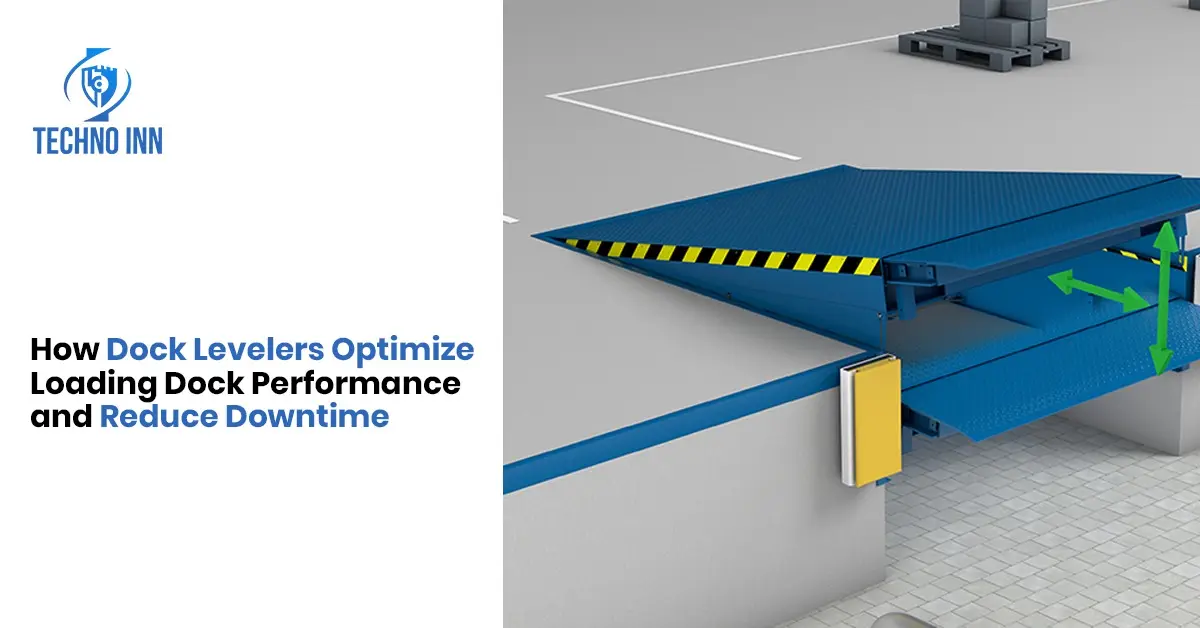
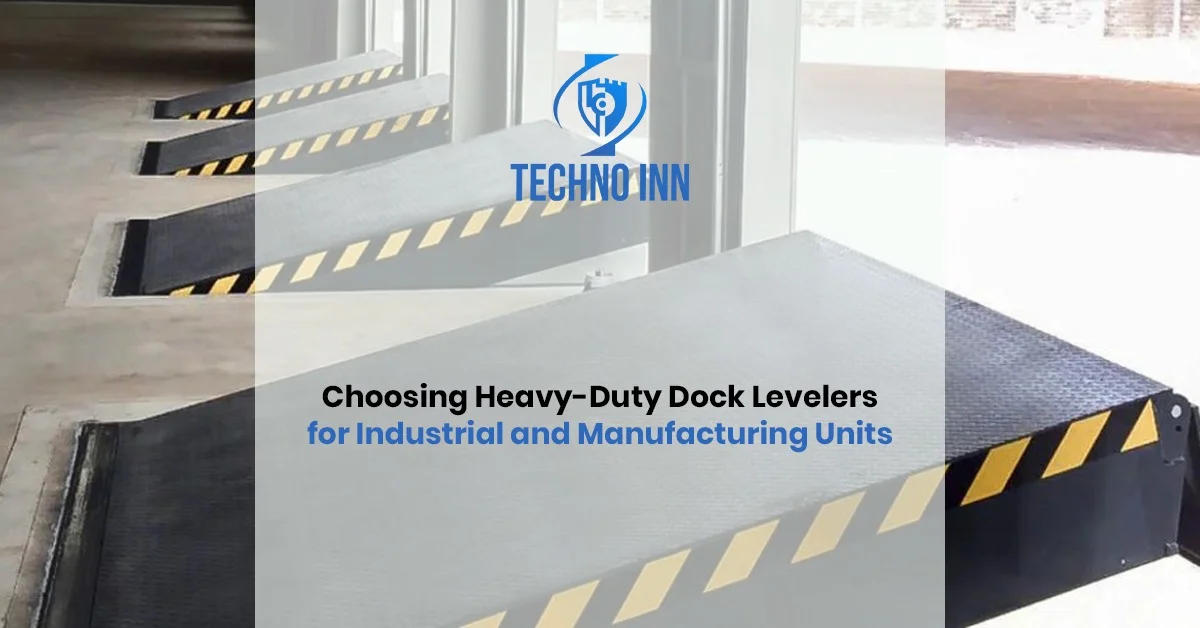
A dock leveler is a mechanical or hydraulic platform installed at the loading dock. It bridges the height difference between the warehouse floor and the truck bed, creating a smooth, stable surface for equipment and workers.
There are three common types used in Pakistan:
- Mechanical Dock Levelers – Manually operated and cost-effective
- Hydraulic Dock Levelers – Powered systems ideal for high-volume operations
- Air-Powered Dock Levelers – Energy-efficient and smooth in operation
Regardless of type, the primary goal is safety and efficiency.
How Dock Levelers Improve Workplace Safety Standards
1. Eliminating Dangerous Height Gaps
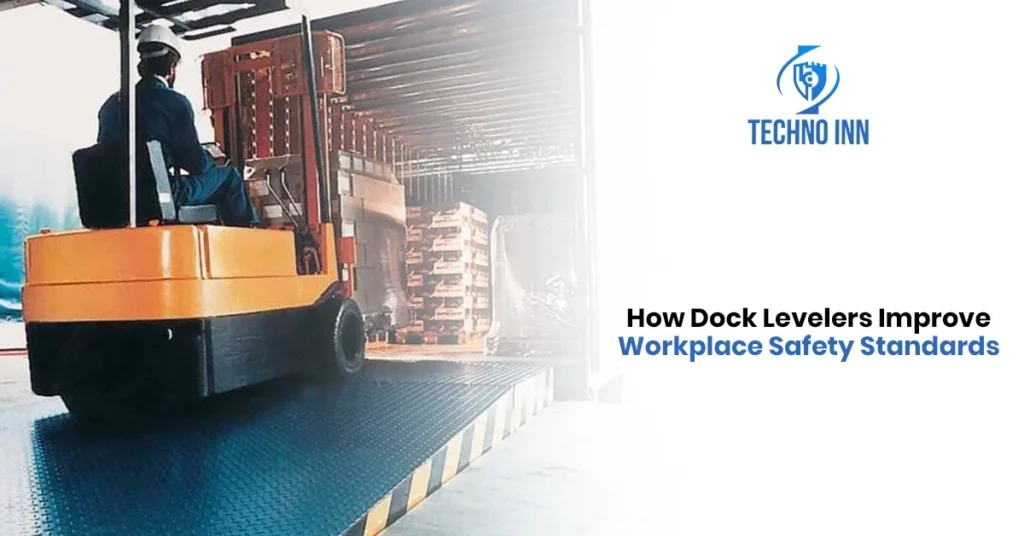
Even a small height mismatch can cause forklifts to tilt or loads to shift. Dock levelers automatically adjust to different truck heights, removing sudden drops or unstable transitions.
This ensures:
- Balanced forklift movement
- Stable pallet handling
- Reduced risk of tipping accidents
In busy Pakistani warehouses handling mixed fleets of vehicles, this adaptability is essential.
2. Reducing Manual Handling Injuries
Without a dock leveler, workers often manually lift heavy items or use unstable boards to bridge gaps.
Manual handling can lead to:
- Back injuries
- Muscle strain
- Long-term health issues
By creating a level surface, dock levelers allow forklifts and pallet jacks to do the heavy lifting, significantly reducing physical strain on employees.
3. Improving Forklift Stability
Forklifts are powerful but sensitive machines. Sudden drops or uneven ramps can destabilize loads.
A properly installed loading dock leveler provides:
- Smooth gradient transition
- Anti-slip surfaces
- Secure lip extension onto truck beds
This controlled movement enhances forklift safety and prevents equipment damage.
4. Enhancing Compliance with Safety Standards
Workplace safety regulations in Pakistan are gradually strengthening, especially in large industrial zones. Businesses are increasingly expected to adopt safer infrastructure.
Installing a dock leveler demonstrates:
- Commitment to employee welfare
- Reduced liability risks
- Compliance with modern warehouse safety practices
For companies seeking ISO certifications or international partnerships, safe loading dock systems add credibility.
5. Minimizing Product Damage and Operational Hazards
Unstable surfaces often cause products to fall or shift. This not only damages goods but also creates additional hazards for workers.
Dock levelers ensure:
- Smooth load transfer
- Reduced vibration
- Controlled cargo movement
For industries dealing with fragile goods, pharmaceuticals, or electronics, this protection is invaluable.
Why Safety Matters More Than Ever in Pakistan
Pakistan’s logistics and manufacturing sectors are expanding rapidly due to e-commerce growth and industrial investment. With increased shipment volumes, loading docks are under more pressure than ever.
Ignoring safety can result in:
- Workplace injuries
- Operational downtime
- Financial losses
- Reputational damage
Investing in proper dock equipment is not just about efficiency , it’s about long-term sustainability.
Signs Your Facility Needs a Dock Leveler Upgrade
If your warehouse experiences any of the following, it may be time to improve your safety infrastructure:
- Frequent loading delays
- Use of makeshift ramps
- Worker complaints about strain or injuries
- Product damage during unloading
- Difficulty handling varying truck sizes
Addressing these issues proactively protects both your workforce and your bottom line.
Conclusion
Understanding how dock levelers improve workplace safety standards is essential for any growing warehouse in Pakistan. By eliminating dangerous height gaps, stabilizing forklift movement, reducing manual handling injuries, and enhancing compliance, dock levelers transform loading docks into safer, more efficient environments.
In today’s competitive industrial landscape, safety is no longer optional , it is a strategic investment. Businesses that prioritise safe loading dock systems not only protect their employees but also strengthen operational performance.
FAQs
1. How do dock levelers improve warehouse safety?
Dock levelers create a smooth, stable bridge between the warehouse and truck, reducing slips, forklift instability, and manual lifting injuries.
2. Are dock levelers suitable for small warehouses in Pakistan?
Yes. Mechanical dock levelers are affordable and ideal for small to mid-sized facilities.
3. Do dock levelers help reduce workplace injuries?
Absolutely. They minimize height gaps and manual handling, significantly lowering injury risks.
4. Which type of dock leveler is best for high-traffic facilities?
Hydraulic dock levelers are recommended for high-volume operations due to their durability and ease of use.
5. Is installing a dock leveler expensive?
While there is an upfront investment, the long-term savings from reduced accidents and improved efficiency make it cost-effective.
Call to Action
If you want to enhance workplace safety standards in your warehouse, consider upgrading your loading dock system. Consult trusted industrial equipment providers in Pakistan like Techno Inn, known for delivering reliable dock leveler solutions and modern warehouse safety systems tailored to industrial needs.
A safer dock today means a stronger, more reliable business tomorrow.