Have you ever wondered where real security truly begins? It’s not inside the building, it starts the moment a vehicle approaches your gate. Across Pakistan, offices, factories, and government sites face growing security challenges, and traditional gates alone just aren’t enough anymore. That’s where Road Blockers in Pakistan come in. These tough, high-impact barriers do more than stop vehicles, they stop potential threats before they even reach your premises. Acting as your facility’s first line of defense, they combine strength, automation, and prevention to keep people and assets safe.
What Are Road Blockers?
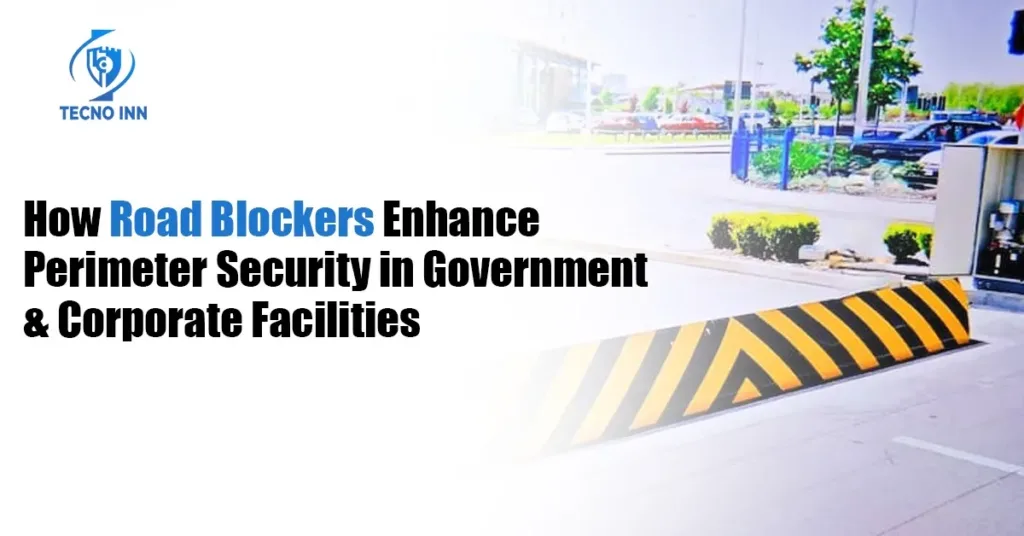
A road blocker, sometimes called a vehicle barrier or anti-ram blocker, is a robust steel structure installed at vehicle entry points to control access and stop unauthorized vehicles.
When integrated with access control systems, they can automatically rise to block vehicles or retract to allow authorized ones through. They’re typically installed flush with the road surface and can be hydraulic, pneumatic, or electro-mechanical depending on operational requirements.
Modern road blockers are designed to withstand high-impact collisions, making them indispensable for locations that demand uncompromising security.
Why Are They Crucial for High-Security Facilities
Government offices, embassies, power plants, airports, and corporate headquarters in Pakistan face a common challenge, unauthorized vehicle access. Traditional gates or barriers often cannot resist high-speed impact or ramming attempts.
Here’s why they are essential:
1. Maximum Vehicle Stopping Power
These are engineered to stop heavy vehicles traveling at high speed. Certified models can withstand impact forces of up to 7.5 to 12 tons at 80 km/h, preventing deliberate vehicle-ramming attacks.
2. Controlled Access & Automation
Integrated with access control systems, such as RFID readers, license plate recognition (ANPR), or security booths, they ensure only authorized vehicles gain entry.
3. High Deterrence Value
The visible presence of a road blocker acts as a psychological deterrent to anyone considering breaching security. It sends a clear message: unauthorized entry is impossible.
4. Customizable for Different Security Levels
Not every facility needs the same level of protection. Hydraulic road blockers, shallow-mount models, or surface-mounted barriers can be tailored to site conditions and threat levels.
5. Minimal Human Intervention
Automated operation reduces the need for manual checks, speeding up traffic flow and minimizing human error, a key consideration for high-traffic government and commercial complexes.
Key Features to Look for in a Road Blocker
When investing in perimeter security infrastructure, the quality and engineering of your road blocker matter. Look for these essential features:
- Crash-rated construction (tested to PAS 68 or ASTM F2656 standards)
- Heavy-duty steel with anti-corrosion coating suitable for Pakistan’s climate
- Hydraulic system with manual override for emergency situations
- LED indicators and safety loops for operational visibility
- Integration capability with boom barriers, CCTV, and access control systems
- Fast raising/lowering speed for efficient traffic flow
These features ensure both security and operational efficiency, providing peace of mind for facility managers and security teams.
Road Blockers vs. Traditional Gates
| Feature | Road Blocker | Traditional Gate |
| Impact Resistance | Extremely high (crash-rated) | Low to medium |
| Automation | Fully automated | Often manual or semi-auto |
| Maintenance | Minimal | Moderate |
| Deterrence | Strong visual deterrent | Moderate |
| Ideal Use | High-security sites | Low-traffic areas |
In essence, while gates are good for privacy and aesthetics, road blockers are built for real protection. Combining both offers the best of access control and impact security.
Best Locations for Installing Road Blockers
They are most effective when installed at vehicle entry and exit points of:
- Government complexes and embassies
- Airports and defense installations
- Power plants and critical infrastructure
- Corporate headquarters and research facilities
- Industrial zones and warehouses
- VIP residences and event venues
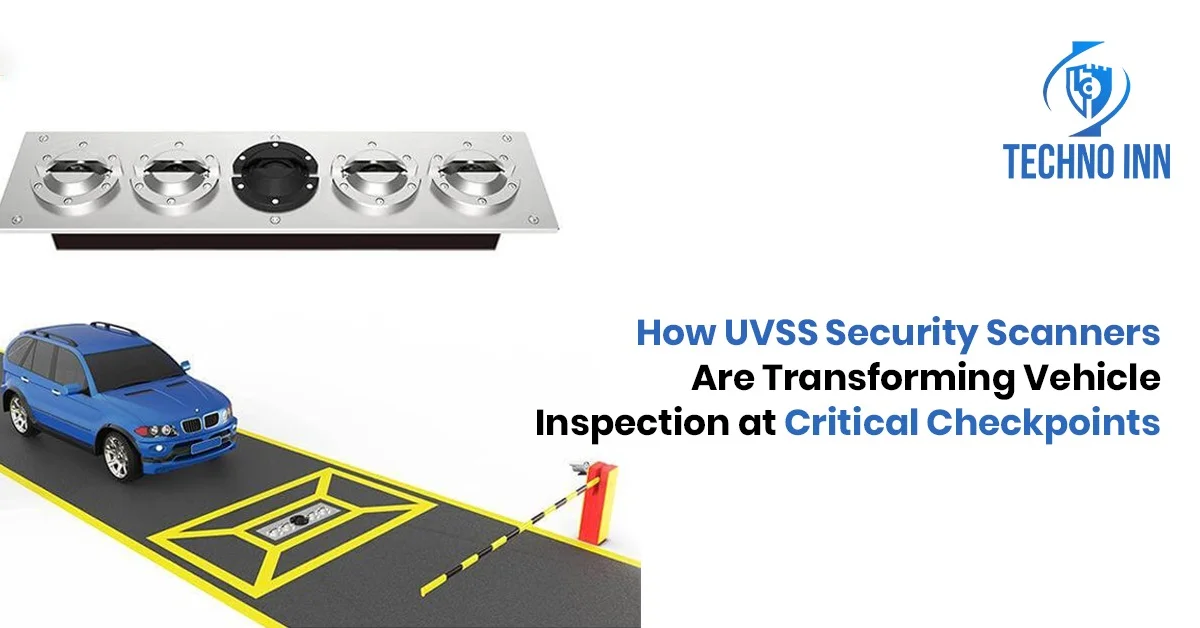
For optimal results, pair them with boom barriers, UVSS (Under Vehicle Surveillance Systems), and CCTV monitoring to create a layered security system.
Conclusion
True security begins before a threat ever reaches your door. These products offers the strength, speed, and reliability needed to keep government and corporate facilities in Pakistan fully protected. They don’t just control access, they stop risks in their tracks.
If you’re serious about safeguarding your site, investing in a high-quality road blocker is one of the smartest security decisions you can make. It’s a step toward lasting protection, peace of mind, and confidence in every vehicle that enters your premises.
FAQs
- What type of road blocker is best for government buildings?
Hydraulic road blockers are most suitable for government or high-security installations due to their strength and reliability. - Can road blockers operate during power outages?
Yes, most models come with manual override or backup power systems to ensure continuous operation. - Are road blockers weather-resistant?
High-quality units are built with anti-corrosion coatings and drainage systems to handle Pakistan’s diverse climate. - How often should a road blocker be serviced?
Routine servicing every 6 to 12 months ensures optimal performance and safety compliance. - Can road blockers integrate with CCTV or ANPR systems?
Absolutely. Modern systems seamlessly integrate with surveillance and automatic number plate recognition technologies for full access control. - Looking to upgrade your facility’s perimeter security with advanced road blockers?
Visit technoinn.net to explore customized solutions designed for Pakistan’s government and corporate environments.