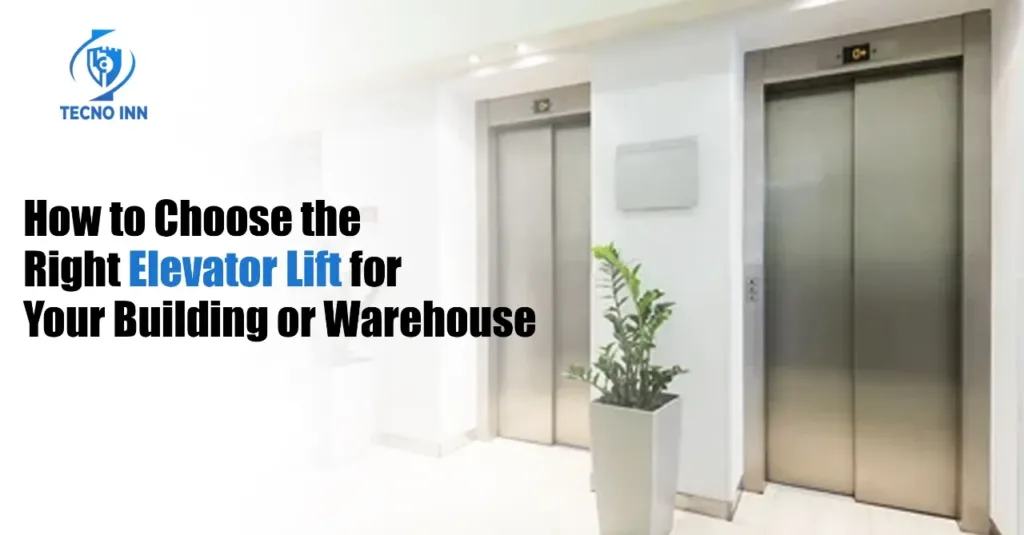
Choosing the right elevator lift for your building or warehouse isn’t just about convenience, it’s about safety, efficiency, and long-term performance. Whether you’re managing a multi-story commercial facility, a residential complex, or an industrial warehouse, selecting the right lift system can save you time, energy, and maintenance costs. In Pakistan, where businesses and construction projects are growing rapidly, the demand for reliable elevator systems has increased. But with so many options on the market, how do you know which one fits your needs best?
Understanding the Purpose of the Elevator
Before comparing models or brands, it’s important to identify the purpose of your elevator lift. Different buildings and applications have different requirements.
Ask yourself:
- Is it for passenger use, goods transport, or both?
- What is the expected load capacity per trip?
- How many floors will it serve?
- Will it operate indoors or outdoors?
Once you know the answers, it becomes much easier to select the right type of elevator for your facility.
Types of Elevator Lifts
Here are the most common types of elevator lifts used in Pakistan’s buildings and warehouses:
1. Passenger Elevators
These are designed to carry people safely and comfortably between floors. They come in various sizes and speeds, depending on the building’s height and traffic volume.
Ideal for: Residential buildings, offices, shopping malls, and hotels.
2. Goods or Freight Elevators
Built for strength rather than style, freight elevators can handle heavy loads, such as pallets, machinery, or raw materials. They have reinforced floors and durable doors to handle rough use.
Ideal for: Warehouses, factories, hospitals, and logistics centers.
3. Hydraulic Elevators
These use hydraulic cylinders to lift and lower the cabin. They are cost-effective for low-rise buildings (up to 5–6 floors) and require less maintenance.
Ideal for: Warehouses and low-rise commercial buildings.
4. Machine Room-Less (MRL) Elevators
As the name suggests, these elevators don’t need a separate machine room, saving space. They’re energy-efficient and suitable for modern buildings with limited construction areas.
Ideal for: Apartments, offices, and malls.
5. Traction Elevators
These use steel cables and counterweights, offering smooth operation and higher speeds. They’re best for tall or high-traffic buildings.
Ideal for: High-rise buildings and commercial complexes.
Key Factors to Consider When Choosing an Elevator
Once you’ve identified your elevator type, consider these crucial factors before making a decision:
1. Load Capacity and Size
Determine how much weight your elevator needs to handle.
- Passenger lifts usually range from 300 to 1600 kg.
- Freight elevators can go beyond 5000 kg.
Always choose a model that matches your building’s actual requirements. Overloading shortens the system’s lifespan and increases maintenance costs.
2. Speed and Efficiency
Speed is important in high-rise or high-traffic buildings. For warehouses, consistency and reliability matter more than speed.
- Residential elevators: 0.5 to 1 meter per second
- Commercial elevators: 1 to 2.5 meters per second
- Industrial/freight elevators: 0.3 to 1 meter per second
3. Safety Features
Safety should be non-negotiable. Look for systems with:
- Emergency stop and alarm buttons
- Automatic door sensors
- Overload protection
- Backup power (UPS)
- Fire-resistant materials
A safe elevator ensures peace of mind for both operators and users.
4. Energy Efficiency
Modern elevator systems are designed to consume less power. MRL and traction elevators are known for better energy efficiency. Over time, this can lead to significant savings on your electricity bills.
5. Maintenance and Support
Before choosing a supplier, check their after-sales service. Regular maintenance ensures smooth operation and prevents sudden breakdowns.
Choose a brand with:
- Readily available spare parts
- Local technical support in Pakistan
- Flexible service contracts
6. Design and Customization
For residential and commercial spaces, design matters. You can choose from stainless steel, glass, or custom cabin interiors that match your building’s look and feel.
7. Budget and Long-Term Value
Don’t just look at the purchase price. Consider:
- Installation cost
- Energy usage
- Maintenance and spare parts
A slightly higher upfront investment in a reliable system often pays off through fewer issues and longer service life.
Why Choosing the Right Elevator Matters
A well-chosen elevator lift:
- Increases building efficiency
- Enhances safety and comfort
- Reduces long-term maintenance costs
- Adds value to your property
The wrong choice, on the other hand, can lead to frequent breakdowns, higher energy bills, and frustrated users.
Conclusion
Choosing the right elevator lift for your building or warehouse is a balance between function, safety, and cost. Consider your building’s height, load needs, and usage frequency before deciding. Always buy from trusted suppliers who provide installation, training, and after-sales service.
A well-selected and properly maintained elevator is not just a machine — it’s an investment in safety, efficiency, and long-term value.
FAQs
- Which elevator type is best for warehouses?
Freight or hydraulic elevators are ideal because they can handle heavy loads safely. - How long does an elevator last?
With proper maintenance, most elevators last 15–20 years or more. - Are MRL elevators energy-efficient?
Yes. They consume less power and require less space, making them a popular modern choice. - How often should an elevator be serviced?
At least once every 3–6 months, depending on usage. - What safety features should I look for?
Emergency stop buttons, overload alarms, safety brakes, and backup power are essential.
Looking for a reliable elevator system for your building or warehouse?
Visit technoinn.net to explore high-performance elevator lifts designed for Pakistan’s modern infrastructure.