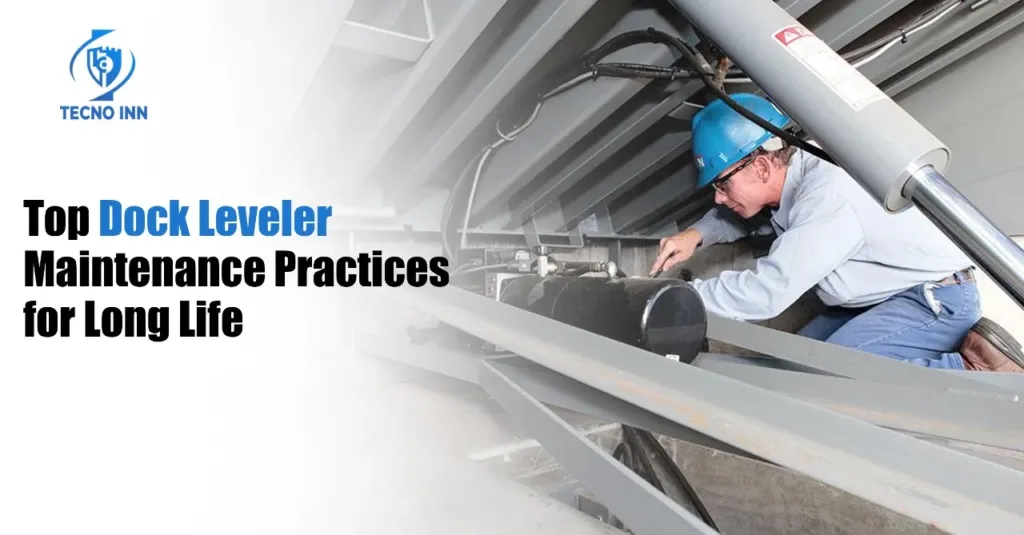
A dock leveler is one of the most hardworking pieces of equipment in any warehouse or loading bay. It bridges the gap between the dock and the truck, making loading and unloading safe and smooth.
But constant heavy use, exposure to dust, and changing weather can cause wear and tear. Without proper care, even a quality dock leveler can fail early, leading to delays, costly repairs, or accidents. Let’s go through the best maintenance practices to help your dock leveler perform reliably for years.
Why Dock Leveler Maintenance Matters
Neglecting maintenance can lead to:
- Slower or uneven operation
- Hydraulic leaks or jammed platforms
- Accidents or worker injuries
- Shortened equipment life
Regular maintenance keeps your Dock leveler efficient, safe, and cost-effective.
Key Dock Leveler Maintenance Practices
Here are the essential steps every facility should follow:
1. Inspect Daily
Start every shift with a quick visual check. Look for cracks, leaks, or rust on the platform, loose bolts, and debris around the pit.
If you notice any issues, stop using the leveler and report it for inspection. Early fixes prevent major breakdowns later.
2. Keep It Clean
Dust, dirt, and packaging waste often collect around dock pits. Sweep regularly to keep debris from interfering with moving parts.
A clean dock not only extends equipment life but also prevents slips and accidents.
3. Lubricate Moving Parts
Friction wears down mechanical components quickly. Apply recommended lubricant to hinges, pins, and joints as per the manufacturer’s guide.
Don’t overdo it, too much grease attracts dust and grime.
4. Check Hydraulic Systems
For hydraulic models, look for:
- Oil leaks near hoses or fittings
- Proper fluid levels
- Smooth lifting and lowering motion
Replace hydraulic oil according to the service schedule. Clean, leak-free systems ensure consistent power and speed.
5. Test Safety Mechanisms
Safety legs, lip locks, and emergency stop functions are vital. Test them monthly to make sure they engage and release correctly.
If something feels off, have a technician adjust or replace it immediately.
6. Tighten Loose Bolts and Fasteners
Constant vibration from forklifts and vehicles can loosen hardware. Tighten all bolts and nuts regularly to keep the leveler stable and balanced.
A loose connection could cause sudden shifts or instability during loading.
7. Inspect Dock Bumpers and Seals
Dock bumpers absorb truck impact and protect structures. If they’re cracked or worn, replace them. Check dock seals for tears to maintain temperature control and energy efficiency.
8. Schedule Professional Service
Even with regular checks, it’s best to schedule a professional maintenance visit every 6–12 months.
A trained technician can:
- Inspect internal parts and hydraulic systems
- Adjust alignment and pressure
- Replace worn or weak components
Professional servicing ensures long-term safety and reliability.
Common Maintenance Mistakes to Avoid
- Ignoring small leaks or noises
- Using the wrong lubricant
- Overloading the dock leveler
- Skipping scheduled inspections
These mistakes can lead to costly downtime or early system failure.
Benefits of Regular Maintenance
Routine upkeep provides several key benefits:
- Longer lifespan for your equipment
- Reduced repair costs and downtime
- Improved worker safety
- Smoother operation and faster workflow
Simply put, maintenance saves time, money, and unnecessary stress.
Quick Maintenance Schedule
| Task | Frequency | Purpose |
| Visual inspection | Daily | Spot early damage |
| Clean pit and surface | Weekly | Prevent buildup |
| Lubricate moving parts | Monthly | Reduce friction |
| Check hydraulics | Quarterly | Maintain power |
| Professional servicing | Annually | Full safety check |
Following this schedule keeps your dock leveler reliable year-round.
Conclusion
A dock leveler is built to handle tough jobs, but only if it’s maintained properly. Regular inspections, lubrication, and professional checkups will prevent failures and keep your operations safe and efficient.
Taking care of your equipment today ensures it works smoothly for years to come.
FAQs
- How often should I check my dock leveler?
Do a quick daily check and schedule full maintenance at least once a year. - What causes a dock leveler to fail?
Overloading, lack of lubrication, or ignoring hydraulic leaks. - Can I do maintenance myself?
Basic cleaning and checks, yes, but call a technician for hydraulic or electrical repairs. - How long does a dock leveler last?
With proper care, typically 10–15 years or more. - Why are dock bumpers important?
They protect both your building and trucks from damage during loading.
Looking for reliable, low-maintenance dock levelers?
Visit technoinn.net to explore durable dock solutions built for Pakistan’s industrial needs.