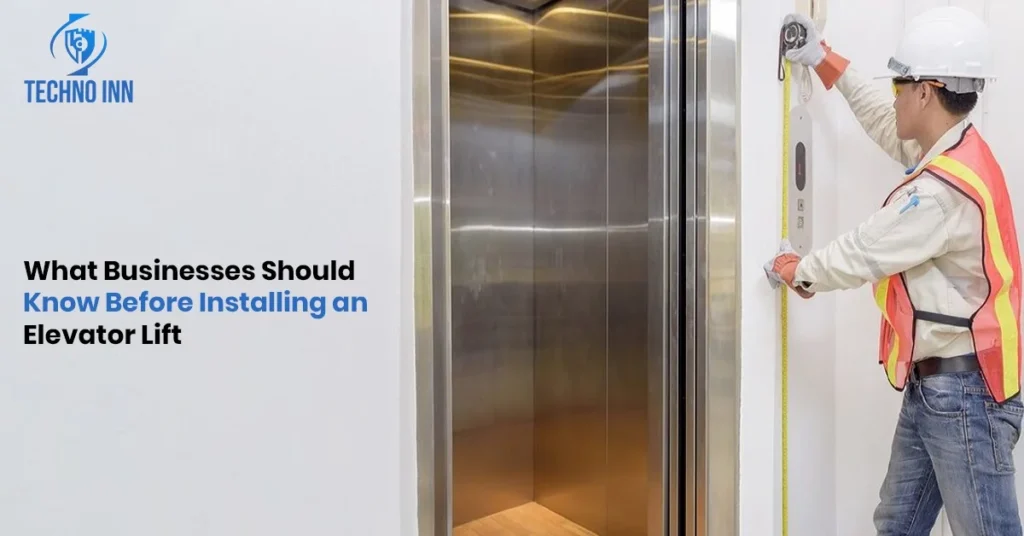
Are you planning to install an elevator lift in your commercial building but unsure where to begin? Many businesses in Pakistan face this question when expanding offices, developing shopping plazas, or upgrading multi-story facilities. Installing an elevator lift is not just about convenience, it’s about accessibility, safety, compliance, and long-term operational efficiency.
Before making this investment, business owners should understand the technical, financial, and regulatory factors involved. A well-planned elevator installation can improve workflow, enhance customer experience, and increase the value of your property.
Why Elevator Lifts Are Essential for Modern Businesses
In cities like Lahore, Karachi, and Islamabad, commercial buildings are increasingly designed with multiple floors. Without a reliable elevator system, moving people or goods between floors can become inefficient and inconvenient.
Installing a commercial elevator lift offers several advantages:
- Improved accessibility for customers, employees, and visitors
- Better building efficiency, especially in busy workplaces
- Compliance with accessibility standards
- Enhanced professional image of your business property
For businesses operating in shopping malls, corporate offices, hospitals, or warehouses, elevators are often a necessity rather than a luxury.
Understanding Different Types of Elevator Lifts
Before installing an elevator, it’s important to know the types available. Choosing the right system depends on your building’s design, traffic flow, and purpose.
1. Passenger Elevators
Passenger elevators are designed primarily to transport people. They are commonly used in office buildings, hotels, and commercial plazas.
These elevators focus on comfort, safety, and smooth movement between floors.
2. Freight Elevators
Freight elevators are built to carry heavy loads such as goods, machinery, or equipment. They are commonly used in warehouses, factories, and industrial buildings.
Their stronger structure allows them to handle significantly higher weight capacity.
3. Hydraulic Elevators
Hydraulic elevators operate using a hydraulic piston system. They are suitable for low- to mid-rise buildings and are known for their reliability and cost efficiency.
4. Traction Elevators
Traction elevators use cables and counterweights to move the elevator car. They are commonly installed in taller commercial buildings because they offer faster and more energy-efficient performance.
Selecting the correct type of elevator lift ensures the system matches your building’s functional needs.
Key Factors to Consider Before Installing an Elevator Lift
Installing an elevator requires careful planning. Businesses should evaluate several factors before beginning the installation process.
1. Building Structure and Space Availability
Not every building is designed to support an elevator system. Before installation, engineers must evaluate whether the building has enough space for:
- An elevator shaft
- Machine room (if required)
- Structural support for load capacity
Older buildings may require structural modifications to accommodate an elevator lift.
2. Safety Standards and Compliance
Elevator safety is critical. In Pakistan, commercial buildings must follow certain safety standards and inspection procedures to ensure safe operation.
Businesses should ensure their elevator system includes:
- Emergency braking systems
- Backup power options
- Fire safety integration
- Regular safety inspections
Working with experienced installation professionals helps ensure compliance with safety regulations.
3. Installation Costs and Budget Planning
The cost of installing a commercial elevator lift can vary depending on several factors:
- Building height and number of floors
- Elevator capacity and size
- Technology and design features
- Installation complexity
Businesses should also consider long-term expenses such as maintenance, inspections, and repairs when planning their budget.
4. Energy Efficiency
Modern elevator systems are designed with energy-efficient technology. Energy-saving features help reduce electricity consumption and operational costs.
Some efficient features include:
- Regenerative drives
- LED lighting inside the elevator
- Smart standby modes when idle
For businesses operating large buildings, these features can significantly lower energy costs over time.
5. Maintenance and Long-Term Support
Elevators require routine maintenance to operate safely and efficiently. Businesses should partner with installation providers that offer reliable maintenance services.
Regular maintenance helps:
- Prevent unexpected breakdowns
- Extend the lifespan of the elevator
- Maintain safety compliance
Ignoring maintenance can lead to costly repairs and potential safety risks.
Benefits of Installing an Elevator Lift for Businesses
Installing an elevator lift provides several long-term benefits for commercial properties.
Better Customer Experience
Customers and visitors can move comfortably between floors without difficulty.
Improved Workplace Efficiency
Employees save time and energy when moving between departments located on different floors.
Higher Property Value
Commercial buildings with modern elevator systems attract more tenants and buyers.
Accessibility for Everyone
Elevators make buildings accessible for elderly individuals and people with mobility challenges.
These advantages make elevator lifts a valuable addition to modern business infrastructure.
Choosing the Right Elevator Installation Company
Selecting the right installation partner plays a major role in the success of your elevator project.
Businesses should look for companies that offer:
- Proven experience in elevator lift installation
- High-quality equipment and components
- Professional engineering support
- Reliable after-sales service
An experienced provider can guide you through design, installation, and maintenance while ensuring safety and efficiency.
Conclusion
Installing an elevator lift is a significant step for any business operating in a multi-story building. From understanding elevator types to evaluating safety standards and long-term costs, proper planning is essential.
A well-installed commercial elevator lift improves accessibility, boosts operational efficiency, and enhances the overall value of your property. By choosing the right elevator system and working with experienced professionals, businesses in Pakistan can ensure a safe and reliable solution that supports their growth.
FAQs
1. How much does it cost to install an elevator lift in Pakistan?
The cost depends on the elevator type, number of floors, and design features. Prices vary widely depending on project requirements.
2. How long does elevator installation take?
Most elevator installations take 4 to 10 weeks, depending on building complexity and construction conditions.
3. What type of elevator is best for commercial buildings?
Passenger elevators are commonly used in offices and shopping centers, while freight elevators are ideal for warehouses and factories.
4. How often should elevator maintenance be done?
Experts recommend monthly inspections and routine servicing to ensure safety and optimal performance.
5. What is the average lifespan of an elevator lift?
With proper maintenance, most commercial elevator lifts can last 20 to 30 years.
Call to Action
If your business is planning to install an elevator lift, take the time to consult experienced professionals who understand structural requirements, safety standards, and long-term maintenance needs. Partnering with a trusted provider such as Techno-Inn, known for delivering advanced security and infrastructure solutions in Pakistan, can help ensure your elevator system is installed with precision and reliability. The right elevator solution can transform your building into a safer, more efficient, and more accessible space for everyone