A fire extinguisher can be useful when someone notices a small fire and is able to respond safely. But what happens when a fire starts in a large office, shopping mall, or another building where the area cannot be reached immediately?
This is where an automatic sprinkler system can become an important part of a building’s fire-protection arrangement.
Techno-Inn includes fire sprinklers in its fire-fighting equipment range and specifically mentions their use in corporate buildings, malls, offices, and other buildings. The company also offers different sprinkler arrangements because buildings and fire risks are not all the same.
So, does every facility need one? Not necessarily. The better approach is to look at the building, its rooms, and the risks that need to be addressed.
How Does a Fire Sprinkler Work?
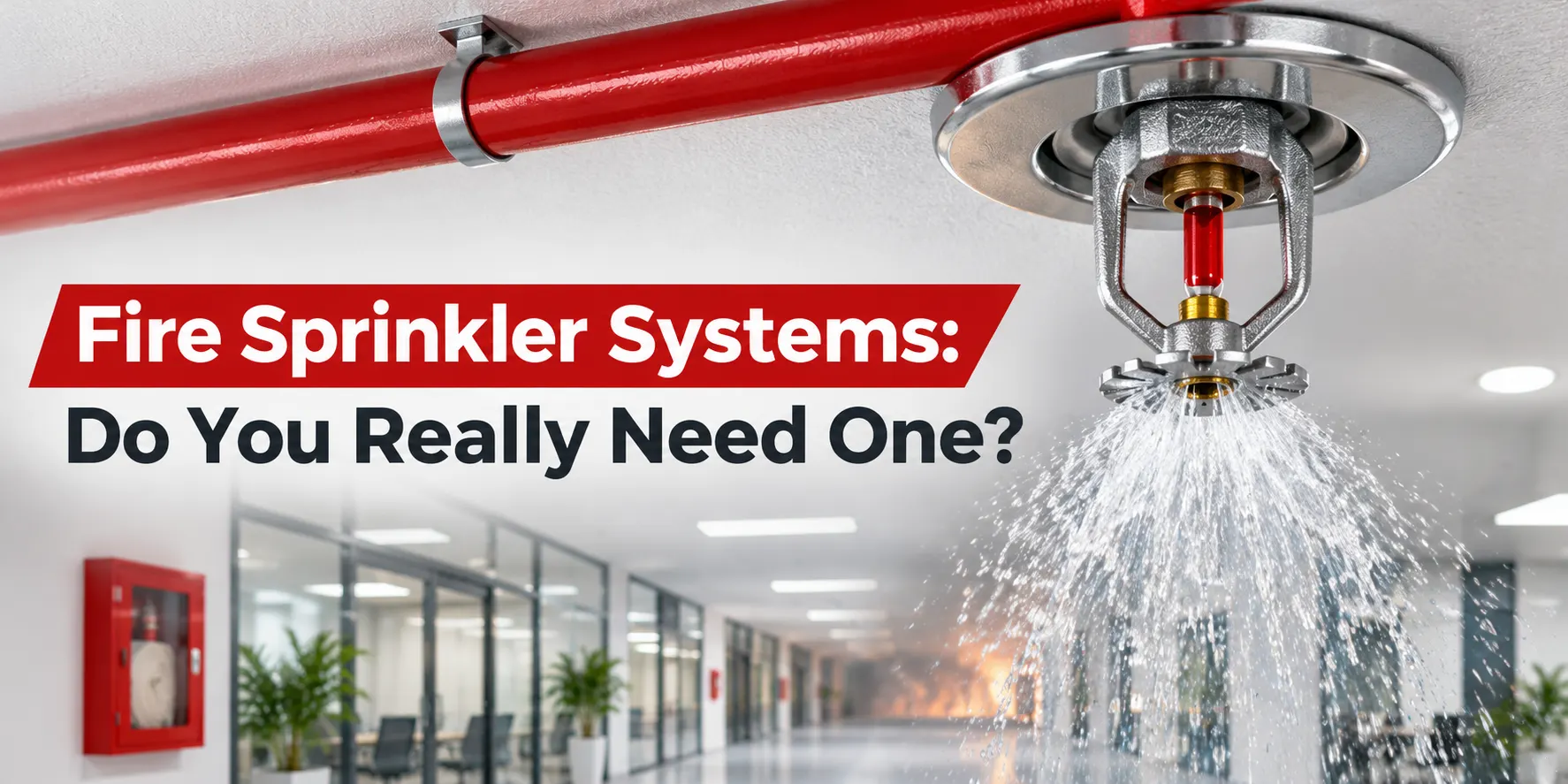
The sprinkler head is the part of the system that releases water when the effects of a fire are detected.
Techno-Inn explains that activation can occur when a predetermined temperature is exceeded. In other words, the system is designed to respond to the heat produced by a fire rather than simply releasing water continuously.
This automatic response is one reason sprinkler systems can be useful in buildings where a fire might otherwise have time to spread before someone reaches it.
Techno-Inn also states that sprinkler systems are mapped and specified according to the building and room structure. That means installation should be based on the property rather than copied from another building.
Which Buildings Can Benefit From Sprinkler Protection?
Techno-Inn specifically highlights corporate-sector buildings, malls, offices, and buildings as applications for fire sprinkler systems. The company presents sprinklers as a way to help secure buildings against major loss and damage.
This is particularly relevant for properties where a fire could affect a large area or damage valuable contents.
However, the fact that a building is an office or commercial property does not automatically determine which sprinkler arrangement should be installed. The property’s structure and individual rooms need to be considered.
Not Every Sprinkler System Is the Same
One of the important points from Techno-Inn’s product information is that there are several types of sprinkler systems.
The company lists:
- Wet pipe sprinkler systems
- Dry pipe sprinkler systems
- Foam-water sprinkler systems
- Water mist systems
- Water spray systems
Each has a different application, which is why choosing a system should begin with understanding the conditions of the site.
Wet Pipe Systems
Wet pipe sprinklers are described by Techno-Inn as the most commonly used type. The company highlights their simple design and reliability.
In this arrangement, water is supplied to the piping, ready to be discharged through the sprinkler heads when the system responds to a fire.
For facilities considering sprinkler protection, this is one of the system types that may be assessed during the planning process.
Dry Pipe Systems
Dry pipe systems are generally used in unheated buildings, according to Techno-Inn.
Instead of having water sitting in the pipes, the company’s description explains that air is used in the piping at a pressure below the water supply pressure.
This makes the system different from a wet pipe arrangement and shows why environmental conditions can influence the choice of sprinkler system.
Foam-Water Systems
Some fire risks require a different approach to water-based suppression.
Techno-Inn describes foam-water sprinkler systems as using a combination of water and foam concentrate when activated. The company identifies high-challenge fires, including situations involving flammable liquids, as an application for this type of system.
Techno-Inn also notes that foam can be incorporated into the sprinkler systems described on its page.
Water Mist Systems
Water mist is another option offered in Techno-Inn’s sprinkler information.
The company explains that this type of system can be considered where water could cause damage or where the available water supply is limited. It uses compressed gas to turn water into a mist.
Techno-Inn states that water mist systems can operate in several configurations, including wet pipe, deluge, dry pipe, and pre-action systems.
Water Spray Systems
Water spray systems are intended for a more specifically configured hazard rather than simply protecting an entire floor area.
Techno-Inn gives electrical transformers as an example of equipment that can be protected using a water spray system.
This is a good example of why sprinkler planning needs to consider what is actually inside the building and what particular hazards require protection.
Is a Sprinkler System Enough by Itself?
No fire-safety product should be viewed as the entire solution.
Techno-Inn’s fire-fighting category includes several other products alongside sprinklers, including fire hoses, fire blankets, fireman suits, fire exit doors, fire extinguisher cylinders, fire equipment cabinets, dry chemicals, and fire extinguisher balls.
The company’s product catalogue also lists smoke detectors and heat detectors among its accessories.
This range highlights an important point: fire protection involves different types of equipment with different purposes.
A facility may need systems for detecting a fire, responding to it, suppressing it, and helping people leave the building safely.
Sprinklers and Fire Extinguishers Have Different Roles
It is easy to assume that having portable extinguishers means an automatic sprinkler system is unnecessary. The two, however, are different forms of fire protection.
Techno-Inn lists fire extinguisher cylinders separately from fire sprinklers. Its extinguisher range includes water, foam, CO2, ABC powder, wet chemical, and water mist extinguishers.
Portable extinguishers require someone to identify the fire and use the appropriate equipment. A sprinkler system, on the other hand, is designed around automatic activation through its sprinkler heads.
For this reason, a facility should assess its complete fire-safety arrangement instead of treating sprinklers and extinguishers as competing choices.
What Does Building Structure Have to Do With It?
Quite a lot.
Techno-Inn specifically states that fire sprinklers are mapped and specified according to the building and room structure.
This means a sprinkler project should take the actual property into account.
A building may contain offices, storage areas, equipment rooms, open spaces, or other sections with different characteristics. The sprinkler arrangement should therefore be considered as part of the building’s overall design.
Rather than asking, “Which sprinkler is best?” it makes more sense to ask, “Which system is appropriate for this building and its particular hazards?”
When Should a Facility Consider Sprinklers?
A sprinkler assessment may be worthwhile for facilities where fire could cause substantial property damage or where a large area needs planned protection.
Techno-Inn specifically identifies:
- Corporate-sector buildings
- Malls
- Offices
- Other buildings requiring protection from significant loss and damage
For these properties, an automatic sprinkler system can be considered alongside other fire-safety equipment.
The exact requirement should still be determined from the building’s characteristics and applicable safety requirements rather than from the building type alone.
What Other Fire-Safety Products Can Be Used With Sprinklers?
Techno-Inn offers a broad selection of fire-fighting equipment that can form part of a facility’s wider safety setup.
Its listed products include:
Fire extinguishers: Different extinguisher agents are available for different fire situations.
Fire hoses: Listed as part of Techno-Inn’s fire-fighting equipment range.
Fire blankets: Included in the company’s fire-fighting category.
Fireman suits: Provided as protective equipment within the same category.
Fire exit doors: Designed to provide an emergency route to a place of safety.
Detection accessories: Techno-Inn’s product catalogue also includes smoke and heat detectors.
The combination required will depend on the facility and its fire-safety planning.
Questions to Ask Before Installing a Sprinkler System
Before choosing equipment, facility managers should first understand what the property actually requires.
Some useful questions include:
What areas need protection?
Techno-Inn states that sprinkler systems are planned according to the building and room structure.
What type of fire risk is present?
Different sprinkler arrangements are listed for different conditions. For example, Techno-Inn associates foam-water systems with high-challenge fires involving flammable liquids and water spray systems with specifically configured hazards such as electrical transformers.
Is the building heated?
Techno-Inn identifies dry pipe systems for unheated buildings, making environmental conditions relevant to system selection.
Could water itself create a problem?
Techno-Inn describes water mist systems as an option where water may cause damage or where water supplies are limited.
These questions can help move the discussion away from simply buying a sprinkler and toward selecting a system appropriate to the site.
So, Does Your Facility Really Need One?
There is no responsible one-word answer for every property.
Techno-Inn’s own product information shows that sprinkler systems are intended for a range of buildings and that several different system types are available. The company also makes clear that sprinkler layouts are determined according to the building and room structure.
If your facility is a mall, office, corporate building, or another property where fire could result in substantial damage, sprinkler protection may deserve serious consideration.
But the important step is not simply deciding to install “a sprinkler system.” The system needs to match the building, rooms, hazards, and required protection.
Final Thoughts
A fire sprinkler system can add an automatic layer of fire protection to a building, but its value depends on proper planning and the right system for the site.
Techno-Inn lists five sprinkler approaches—wet pipe, dry pipe, foam-water, water mist, and water spray—and explains that sprinkler systems are specified according to the building and room structure.
That makes site-specific planning more important than choosing a system based on popularity alone.
For facilities considering broader fire protection, Techno-Inn also offers fire extinguishers, fire hoses, fire blankets, fireman suits, fire exit doors, and other fire-fighting equipment.
The best fire-safety setup is one that reflects the actual conditions of the property and is planned with appropriate professional guidance.