Busy public spaces can become difficult to manage when too many people need to move through the same area at once. A crowded entrance, reception desk, ticket counter, security checkpoint, or waiting area can quickly turn into an unorganized space if visitors do not know where to stand or which direction to follow.
This is where Q-Stands and queue barriers can make a practical difference. Rather than relying entirely on signs or staff instructions, physical barriers create a visible path that helps people understand where to wait and how to move forward.
Techno-Inn includes Q-Stands within its parking equipment range and describes them as suitable for crowd control, waiting lines, marking off areas, protecting designated spaces, and managing access around restricted or potentially dangerous areas.
What Are Q-Stands?
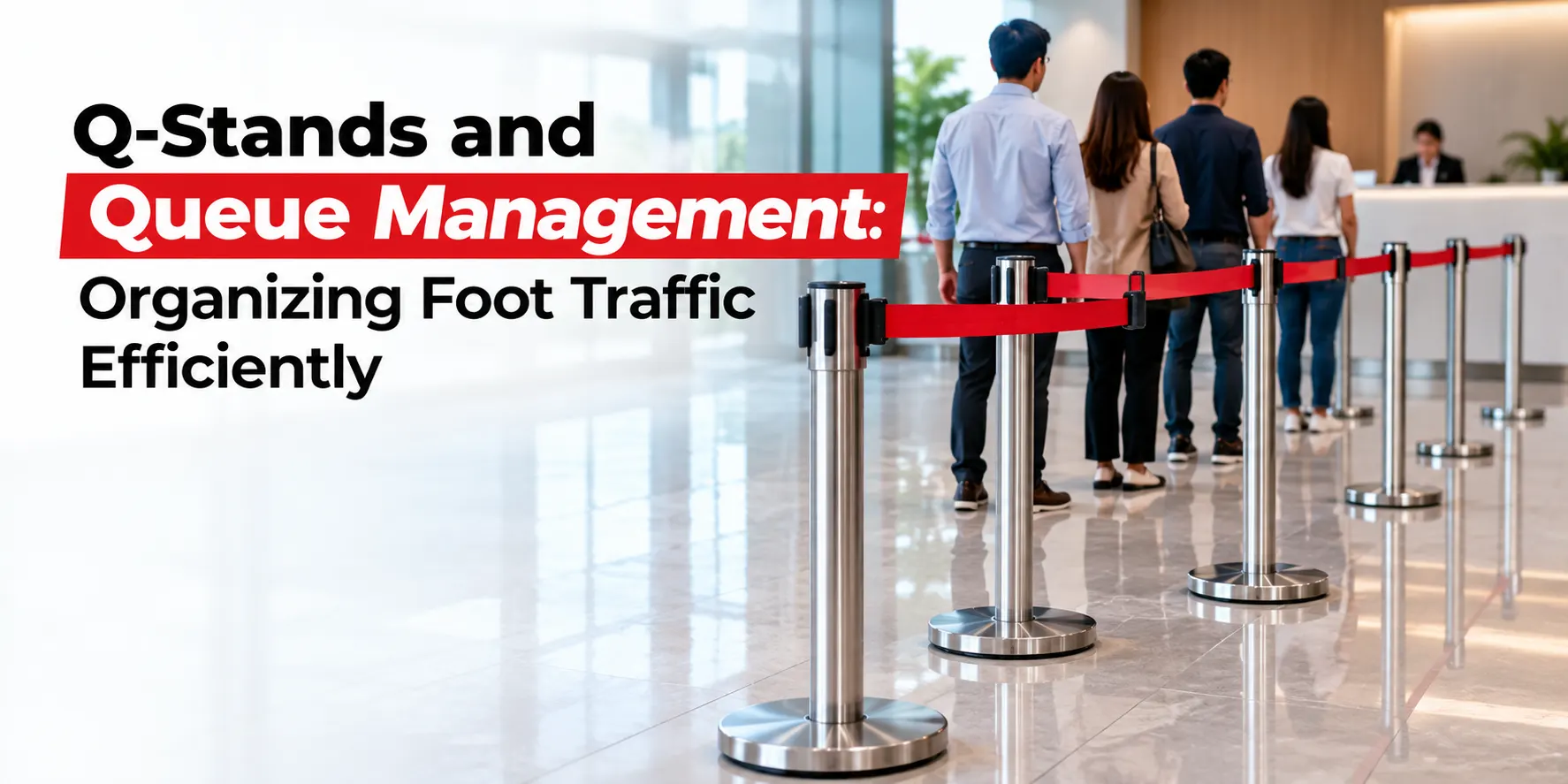
Q-Stands are upright posts used with belts, ropes, or chains to guide and control pedestrian movement. They create a physical boundary between different areas, making it easier to establish a defined waiting route or prevent people from entering a particular space.
According to Techno-Inn, Q-Stands can be used for crowd control, waiting lines, area separation, and protecting objects or locations that should not be accessed by visitors.
The concept is simple: instead of asking people to form a line in an open space, the barriers give that line a clear physical structure.
This can be particularly useful in facilities where visitors arrive in groups or where movement needs to be controlled during busy periods.
How Do Q-Stands Help Manage Queues?
A queue works better when people can immediately understand where it begins, where it continues, and where it ends.
Without a defined route, visitors may form several informal lines, leave gaps, block entrances, or gather around service counters. Staff then have to spend more time directing people.
Q-Stands help solve this problem by establishing a visible route.
For example, a series of posts can be positioned to create a winding queue leading toward a reception counter. Visitors follow the designated path instead of spreading across the available floor area.
This approach can help make movement more predictable while keeping waiting areas easier to supervise.
Why Organized Foot Traffic Matters
Good crowd management is not simply about making a space look neat. It can influence how efficiently people move through a facility.
A properly arranged queue can help:
- Give visitors a clear place to wait
- Reduce confusion at busy entrances
- Keep walkways more organized
- Separate waiting areas from active pathways
- Restrict access to selected spaces
- Make staff supervision easier
- Create a more orderly visitor experience
The exact arrangement depends on the building, expected visitor volume, available space, and purpose of the queue.
A small reception area may need only a short barrier arrangement, while a busy public facility may require a longer and more carefully planned route.
Common Places Where Q-Stands Are Used
Q-Stands are not limited to one type of facility. Techno-Inn notes applications in banks, restaurants, trade shows, arenas, airports, movie theatres, hotels, and sports venues, among other locations.
Banks and Financial Institutions
Customer service counters often experience periods of increased demand. A defined waiting line can prevent customers from gathering directly around service desks.
Restaurants
During busy periods, customers may need to wait before being seated. A queue barrier can create a designated waiting area without allowing the line to spread across the entrance.
Airports and Transport Facilities
Passenger movement needs to remain orderly around check-in, security, ticketing, and boarding areas. Queue barriers can help separate waiting passengers from general pedestrian traffic.
Hotels
Reception areas can become crowded during check-in and check-out periods. A structured waiting route helps visitors understand where they should stand while leaving access to other parts of the lobby.
Trade Shows and Events
Exhibitions may attract large groups at particular booths or entry points. Q-Stands can help organizers establish orderly lines and separate visitors from display areas.
Sports Venues and Arenas
Large gatherings require clear pedestrian routes. Barriers can be used around entrances, ticket counters, service points, or selected restricted areas.
Different Types of Q-Stands
Techno-Inn’s Q-Stands page displays several configurations, including crowd control Q stands, barrier Q stands, metal Q stands, red belt queue stands, roadside queue stand barriers, and public area barrier stands.
The right option depends on how the area will be used and the type of appearance or separation required.
A facility that regularly changes its queue arrangement may benefit from a flexible barrier system. A more formal environment may require a style that complements its interior.
Rather than selecting equipment only because it looks attractive, facility managers should consider how people will actually move through the space.
Retractable Belt Q-Stands
Retractable belt barriers are designed around posts with a belt mechanism that extends between individual stands. Techno-Inn explains that these systems use a spring mechanism to retract the nylon belt into a canister attached to the post.
One advantage of this arrangement is flexibility. The barriers can be repositioned to change the direction or length of a queue when the layout changes.
Techno-Inn also notes that retractable belts can be customized with branding, messages, or logos, while posts and belts are available in different finishes and colors.
This makes them suitable for locations where crowd control needs to work alongside the visual appearance of the facility.
Rope and Chain Stanchions
Not every queue requires a retractable belt. Traditional stanchion systems can use ropes or chains to establish boundaries.
Techno-Inn describes conventional rope or chain stanchions as options for settings where appearance is important and crowd control is a secondary consideration.
They can therefore be useful in environments where the barrier needs to blend with the surroundings rather than appear purely functional.
Q-Stands for Restricted Areas
Queue barriers can also perform a role beyond managing waiting lines.
Techno-Inn states that Q-Stands can be used to mark off areas, protect artwork or vehicles, designate “Do Not Enter” zones, and separate protected equipment or dangerous areas.
For example, a facility might use barriers around:
- Equipment that visitors should not approach
- Temporary maintenance areas
- Display items
- Vehicles or valuable property
- Restricted sections
- Areas requiring controlled access
The barrier does not replace proper security measures where those are required. Instead, it provides a clear physical indication that a particular area has a defined boundary.
How to Plan an Effective Queue Layout
Installing queue barriers is only part of the process. Their positioning matters just as much.
1. Identify the Entry Point
First, determine where visitors should enter the queue. The beginning should be easy to recognize so people do not form multiple lines.
2. Locate the Service Point
Consider where the queue should finish. The route should lead naturally toward the reception desk, counter, entrance, checkpoint, or other destination.
3. Keep Important Routes Clear
Do not allow the queue to obstruct emergency exits, necessary access routes, doorways, stairs, or other critical pathways.
4. Allow Comfortable Movement
The layout should give visitors enough room to stand and move without creating unnecessary congestion.
5. Consider Peak Periods
A queue that works during a quiet period may become inadequate during busy hours. Think about how the space will operate when visitor numbers increase.
6. Make the Route Easy to Understand
Visitors should not need staff instructions to figure out where the queue goes. The physical arrangement should communicate the intended direction as clearly as possible.
Benefits of a Well-Organized Waiting Area
A structured queue can improve both operational control and the visitor experience.
Better Use of Available Space
Instead of allowing people to spread randomly across a large area, barriers can guide them through a defined route.
Less Confusion
A visible queue gives visitors a clearer understanding of where they should wait.
Easier Staff Management
Employees do not have to repeatedly explain where people should stand when the physical layout already provides guidance.
Improved Separation
Q-Stands can create a boundary between waiting visitors and areas that need to remain clear or restricted.
Flexible Layouts
Retractable belt systems can be rearranged when operational requirements change. Techno-Inn specifically highlights the flexibility of retractable belt barriers and their ability to be configured in different ways.
Choosing the Right Queue Barrier
There is no single arrangement that works for every facility.
Before selecting Q-Stands, consider the environment and how the equipment will be used.
Ask questions such as:
- How many people normally use the area?
- Does the queue change throughout the day?
- Is the system temporary or permanent?
- Is appearance important?
- Does the barrier need to be moved regularly?
- Is the purpose mainly queue organization or area separation?
- Will the equipment be used indoors, outdoors, or in different locations?
For environments that frequently change their layout, flexibility can be especially valuable. For formal spaces, appearance may carry more importance.
The goal is to select a system that supports the way people actually use the facility rather than simply filling an empty area with barriers.
Q-Stands as Part of a Broader Parking and Safety Setup
Q-Stands are one component within Techno-Inn’s wider parking equipment range. Other products address different aspects of vehicle movement, visibility, and property protection.
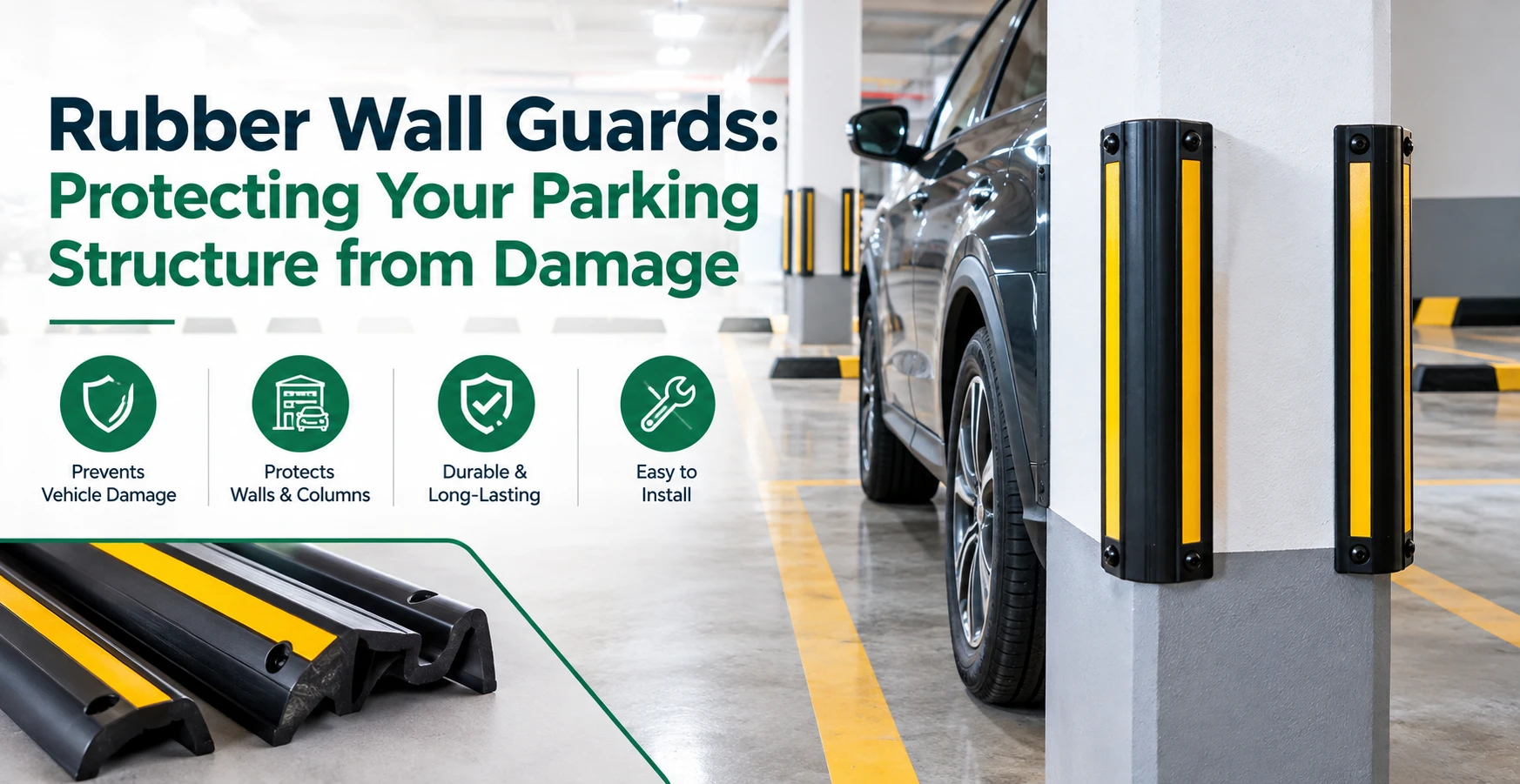
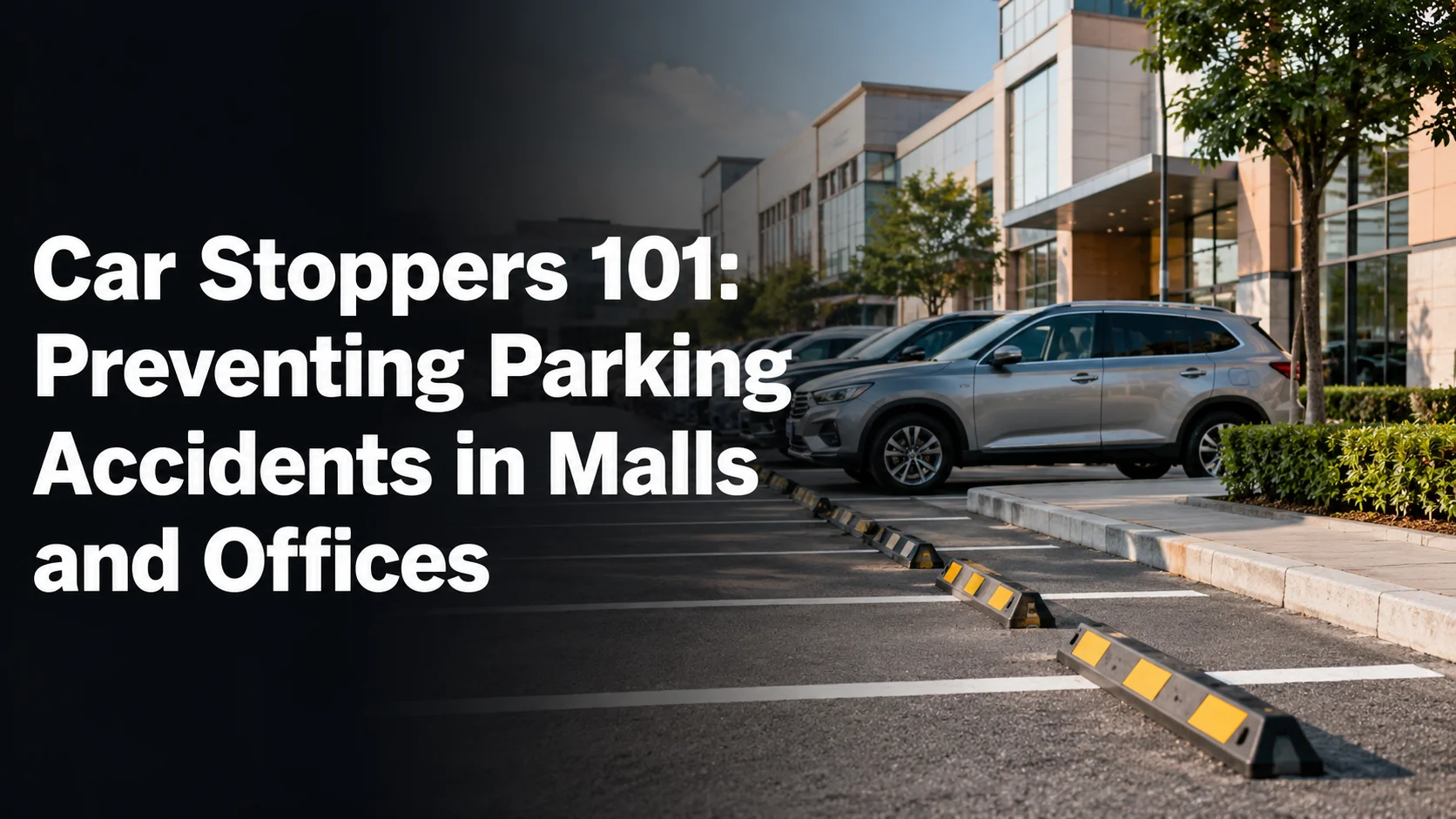
For example, car stoppers help define parking positions, while rubber wall guards are designed to protect vehicles, walls, and columns in parking and service areas.
Facilities may also use speed breakers to help manage vehicle speed and road marking solutions to make traffic routes and pedestrian crossings clearer.
For other road and parking safety requirements, Techno-Inn also offers reflective cat eyes and a range of poles.
These products serve different purposes and should not be treated as interchangeable. A queue barrier is intended primarily to guide people and establish boundaries, while other parking products address vehicle movement, visibility, protection, or roadway organization.
Using the appropriate equipment for each situation can create a more coordinated facility layout.
Final Thoughts
Effective crowd management does not always require complicated technology. Sometimes, giving people a clear physical route is enough to make a busy space considerably easier to navigate.
Q-Stands provide a practical way to establish waiting lines, separate areas, guide visitors, and create visible boundaries. Their applications range from banks and restaurants to airports, hotels, trade shows, arenas, and sports venues.
The most effective setup starts with understanding how people move through the facility. Once the entry point, destination, available space, and potential congestion points are identified, Q-Stands can be arranged to create a queue that is easier to understand and manage.
For facilities dealing with regular visitor traffic, a well-planned barrier system can be a simple but useful part of an overall approach to organized movement and safer space management.
Frequently Asked Questions
What are Q-Stands used for?
Q-Stands are used to control crowds, organize waiting lines, mark off areas, and create boundaries around protected or restricted spaces. Techno-Inn lists applications including airports, hotels, restaurants, banks, arenas, trade shows, and sports venues.
What is a retractable belt Q-Stand?
It is a queue barrier in which a belt extends from a post and retracts into a canister using a spring mechanism. This arrangement allows the barriers to be configured for different queue layouts.
Can Q-Stands be used outside waiting lines?
Yes. According to Techno-Inn, they can also be used to mark restricted areas, protect artwork or vehicles, identify “Do Not Enter” zones, and separate protected equipment or dangerous areas.
Where can queue barriers be installed?
Their applications vary by facility. Techno-Inn identifies locations such as banks, restaurants, airports, movie theatres, hotels, trade shows, arenas, and sports venues.
Are all Q-Stands the same?
No. Techno-Inn’s Q-Stands range includes several configurations, including crowd control, barrier, metal, red belt, roadside barrier, and public-area barrier stands.
How should a queue barrier system be planned?
Start by identifying the queue entrance and destination, then plan a route that is easy to understand without blocking essential access paths. The expected number of visitors and how frequently the layout changes should also be considered.
For product information or assistance with your requirements, visit Techno-Inn’s Contact Us page.